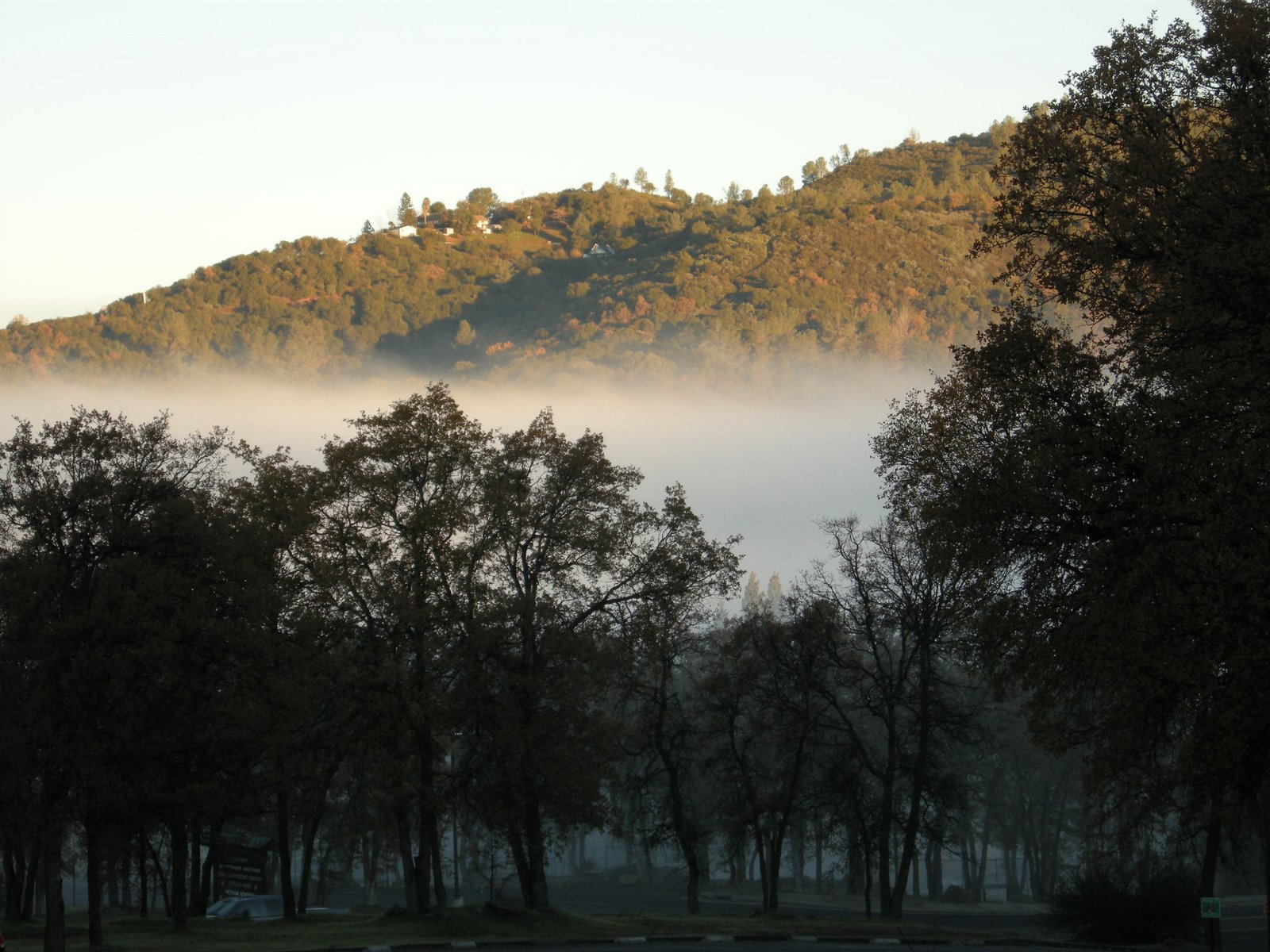
Winter in Sonora
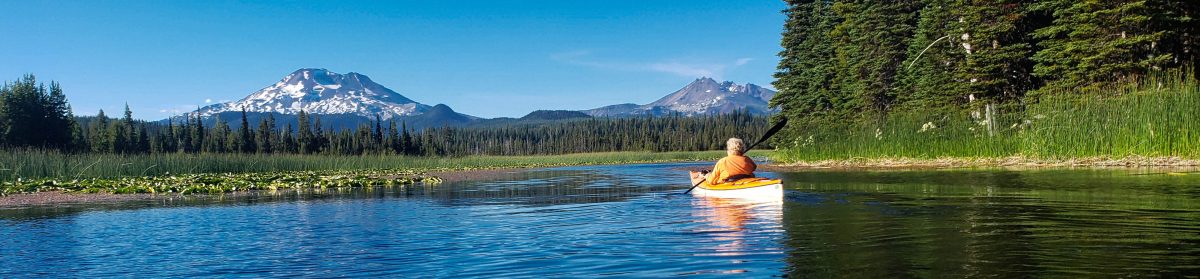
Sometimes I am more aware of the delights of living in California than others. January is one of those times, when most of the country in mired in cold and snow, the northwest is inundated with rain, and camping isn’t the first thought on your mind. Instead of nestling in to a warm fire and gray skies for the 3 day weekend, as I might have done in Oregon, Mo and and I headed out for a little bit of peace and quiet in the California foothills.
My only requirement this time was that I really really didn’t want to cross the central valley once more. We searched around for local camping spots, and after narrowing down the possibilities, came up with Lake McSwain. It turned out to be a lucky guess. The adjacent reservoir and camping area at Lake McClure wasn’t nearly as inviting as our little family campground by the narrow lake between the Exchequer Reservoir and Merced Falls. Lake McSwain is just a reservoir as well, but being long and narrow, in spite of the drought, the water levels weren’t as low as the bigger reservoirs and we enjoyed the lake view from our camp site.
Lake McSwain is a little hidden secret and has the reputation of being known as the very best fishing lake in California. This may be due to the elaborate trout, king salmon and Florida largemouth bass stocking programs. Or perhaps it is because so many fish call the lake home, including rainbow trout, black bass, spotted bass, bluegill, crappie, catfish, salmon and shad.
The campground itself was delightful, with lots of choices and plenty of space between sites, and wonder of all wonders, not one single night light to be found. The skies were dark and full of stars until the quarter moon rose long after midnight. We chose not to bring wood, since it is buried in snow at Mo’s house in Rocky Point, and that was a good thing as well, since campfires weren’t permitted anyway. The park lent itself well to short but delightful walks around the lake, long sessions of reading novels and knitting, and our favorit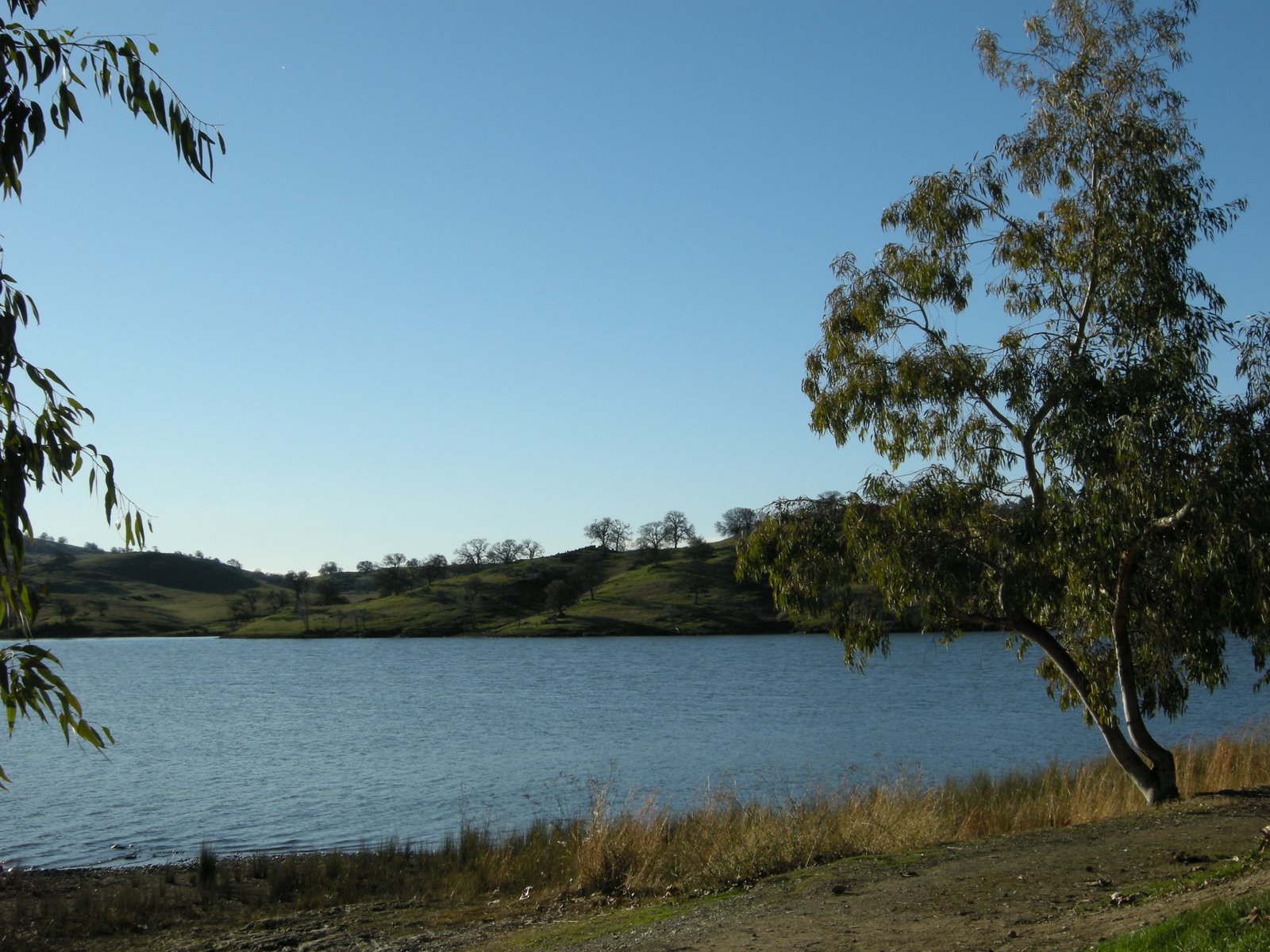 e big breakfasts, even without the fire.
There is a road that continues past the campground to the bigger reservoir, and we took a long walk east along the road on one morning, walking down the hills to the waterside for Abby to enjoy her swim. The landscape is rough and steep, but the campground itself is gentle and welcoming, and not too crowded. Most of the people there seemed to be families who were fishing, and we saw lots of stringers of big trout on lines. There were lots of dogs as well, and the extra 3 bucks that is charged for a dog must be bringing in a good amount of change for the park.
We watched the sun rise and set for a couple of days, and thoroughly appreciated the silence of the place. Quite a surprise. There was also an area with sewer hookups, but it looked much too much like a typical RV park with sites lined up in rows, close together. We were grateful for our open spaces, walked around and wrote down our favorites, and made lists and mental notes of future winter camping days that very likely may be in this happy little place.
This little campground was only 45 miles from home, and on the way back we took a few side routes and discovered another little gem along the Tuolumne River. The campground borders the Tuolumne River with great kayaking access, and huge Valley Oaks. Turlock SRA
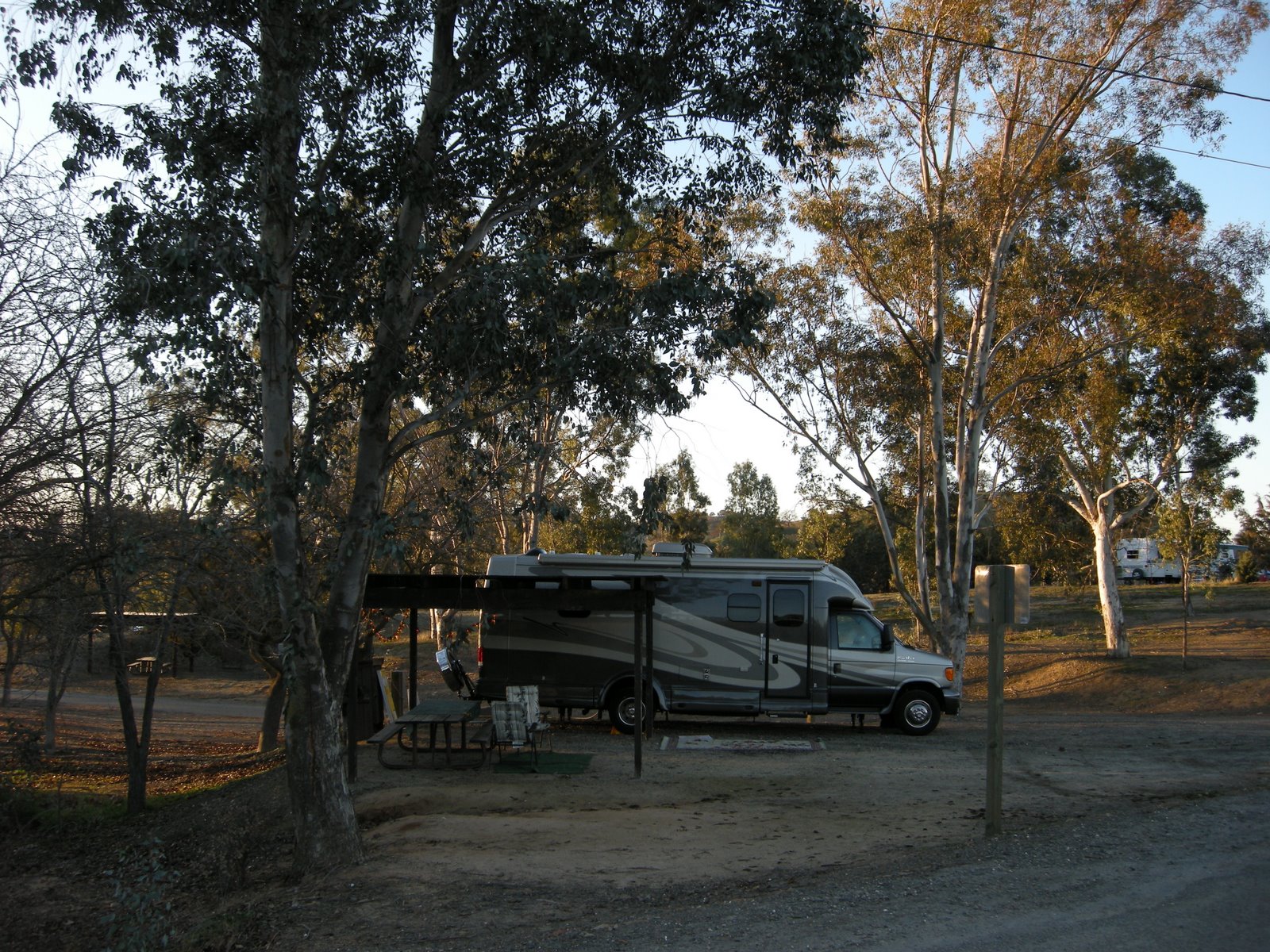
Next time we will bring the kayaks, which we missed having along on this trip, but they were left behind in Oregon. I will be glad when everything is in one place, the bikes, the kayaks, the motorhome, the baby car, all together so that if we go somewhere spontaneously we can still have all our toys with us. For now, though, a simple little weekend trip was just the ticket.
Time is really a weird concept when you are flying around the world. While in Turkey, I could keep track of what time it was at home so I didn’t call the kids at 2am, and what time it was where I was. But 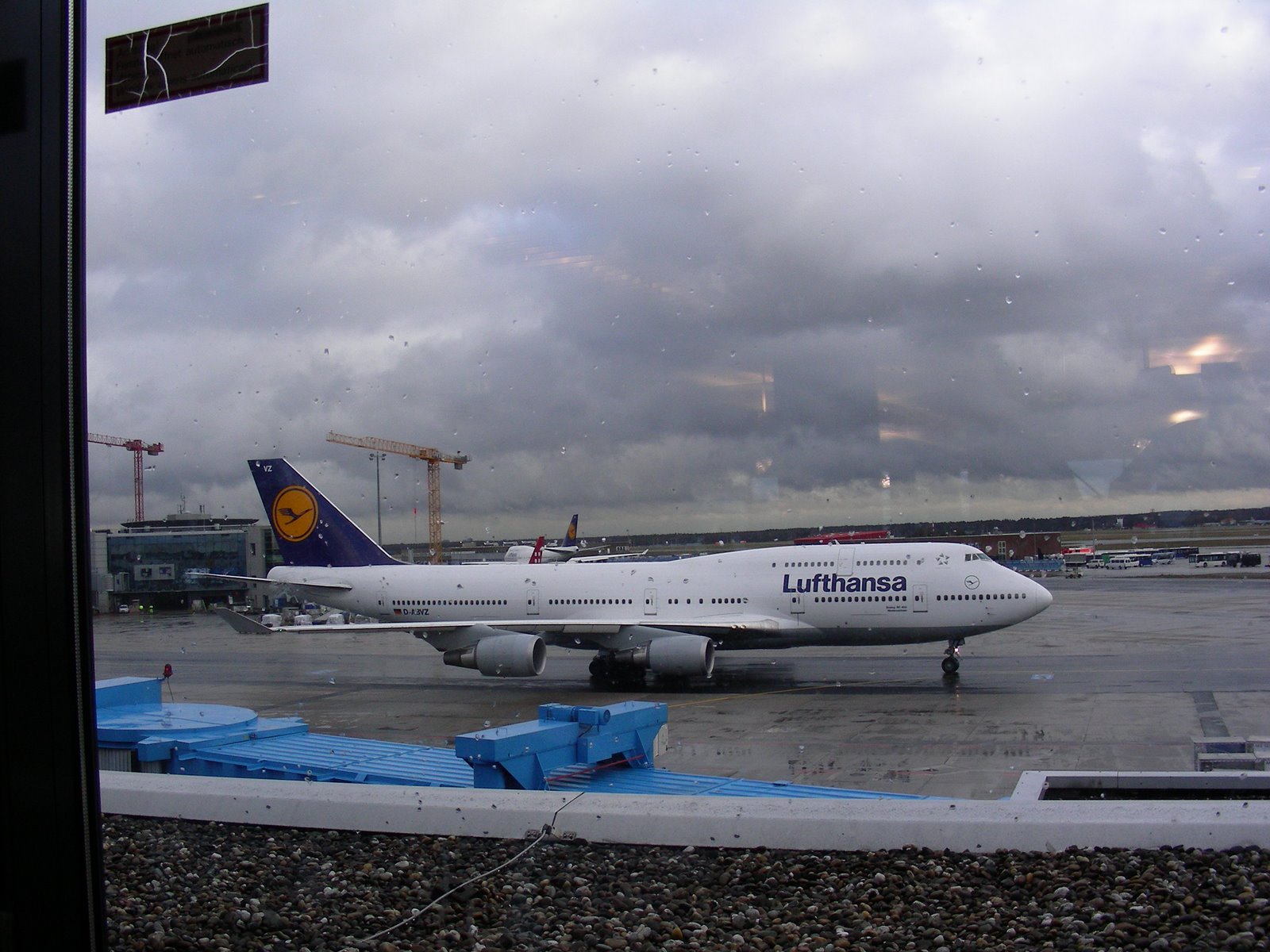 at the moment I am flying in an airplane that is traveling west at something like half the speed of the planet and time makes no sense whatsoever. I just know that it is passing. We are over Greenland, and the sky is dark except for a thin red line on the southern horizon outside my window. According to Mo’s watch, it is 10:00 AM in San Francisco, and we will land there at 5:00PM this afternoon. We left Frankfurt at 4 in the afternoon, same day, and yet time is passing. I am not sure why it is night here, because it isn’t even nighttime here according to the time zone we are supposedly in, but I guess we are so far north that at this time of year it is always night anyway. It’s all crazy.
At 4am this morning, Istanbul was vibrant with street life. We rode the bus through the city to the airport amazed at all the activities going on there. People coming out of bars, standing on corners, buying cigarettes and groceries, doing the Turkish man thing of standing around shooting the breeze. Except it was 4am. Amazing.
I fell in love with Germany today, somewhere between Switzerland and Munich. The Alps were covered with snow and the plains around Munich are like something in a fairy tale. The fields are still green, and a magical patchwork of angles of varying shades of green, with patches of dark forest, dotted with perfect little villages of white with red roofs. The roads looked nearly empty, with traffic moving along the major highways smoothly. The sunlight was coming over the magnificent snow covered mountains to the south and angled across the green fields and forests in a way that made me think of what life must be like in a small German village, and suddenly I wanted very badly to experience Germany.
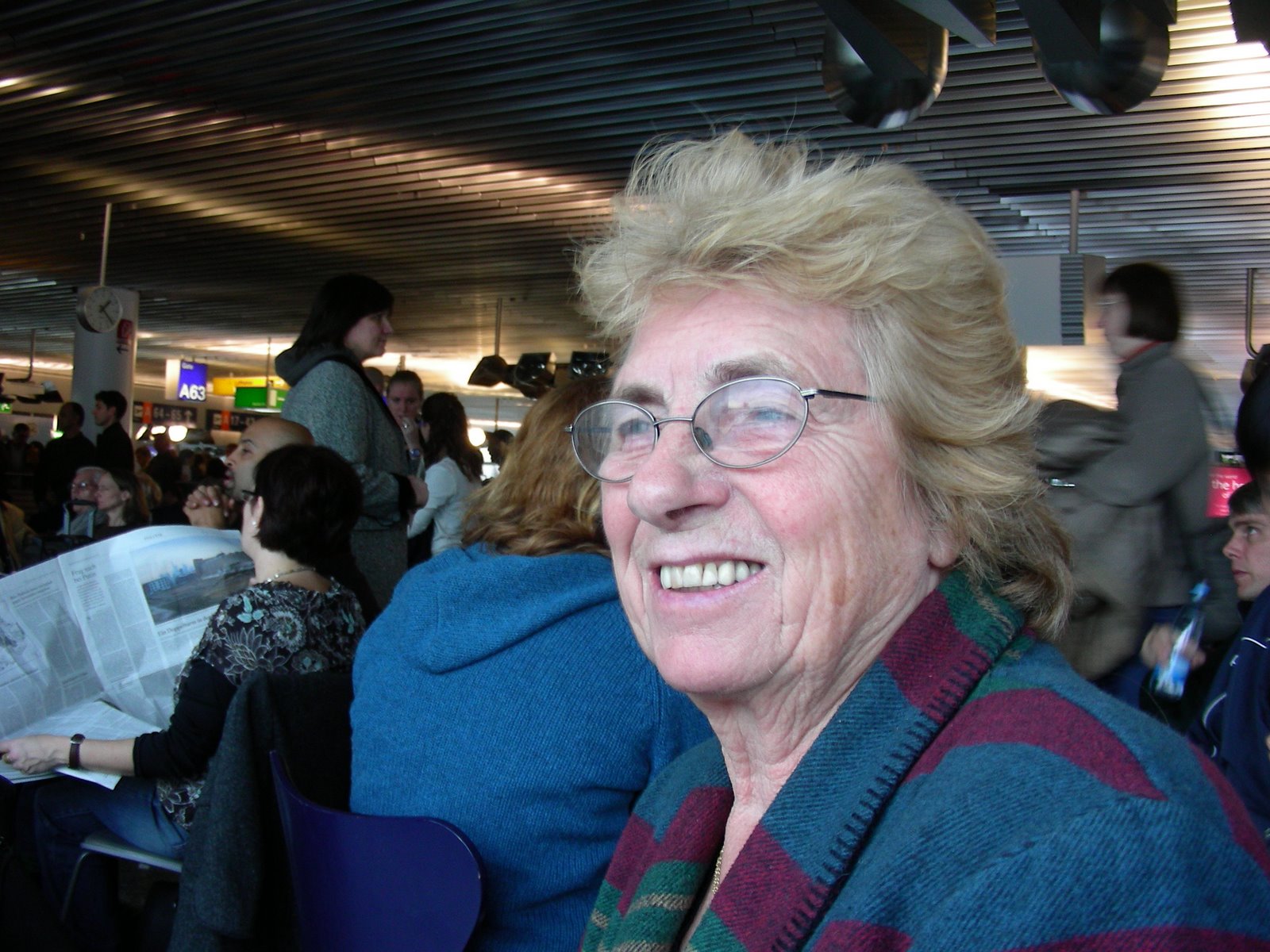 The airport at Munich was clean and full of bustling activity, with great shops and clothes and wonderful smelling food. It made me laugh at how I felt about Germany at the beginning of this trip and it made Mo happy that I decided I really liked Germany after all. She has many happy memories of traveling in this country. I hope I get to do that someday. Guess it’s a good thing that I am learning to drink beer.
Now the red line changed to a deep deep blue, and in a matter of moments back to the faintest hint of orange again. Maybe we are going towards some kind of daylight?
The trip is very nearly over, the final travels are ending, and the integration of all I learned and experienced is waiting in the wings. I am sure that more will come to me, the deeper part of Turkey as a cradle of civilization in the world, and the blessing of traveling to a place never thought of much and learning about it in a way you can never do without being there. This fluorescent thin blue line on the dark horizon is a great symbol of the end of this trip. Too bad I can’t take a picture of it. I guess it’s another one of those experiences that can’t be caught and just has to be felt.
Later at home:
I am discovering some of the things that I appreciate much more after traveling in a foreign country! toilet paper, light bulbs that are actually bright enough to see, electricity that works steadily all the time, lots of clean clothes to choose from, good brewed coffee, not Turkish and not NesCafe! and the ability to buy aspirin or cough drops at the grocery store without having to find a pharmacy!
http://picasaweb.google.com/kyotesue/Day14LastDayInTurkey#
 Some of the people on the tour decided to do the ballooning over Cappadocia thing this morning, so when I looked out the window and saw sunny if frosty skies I was glad for them. I couldn’t see the worth of 30 minutes in a very cold balloon over that brown landscape for 150 USD so decided that having a relaxing morning was the best plan. Especially since this day included our afternoon flight to Istanbul.
We left the hotel at 9:30 and Mo and I opted out of an underground city tour and instead sat by a warm fire and drank Turkish tea, and then did a little bit of last day shopping in a small village. Lunch was back in the town at a different restaurant, and turned out to be the best yet. Finally, after 2 weeks in Turkey, I found the manti Jeanne told me about. Perfect little pasta dumplings with some meat filling swimming in a tangy yogurt tomato sauce, with big puffy breads. Yum.
After lunch we took our time driving to the airport in Kayseri, and saw how dismal this central part of Turkey can be. Once you leave the chimneys and mountain views, things get very polluted, gray and old looking. The air was dark with coal smoke and haze and there was a lot of garbage around and very tattered looking apartments. This part of Turkey looked more like what I imagine this part of the world to look like, unlike the Turkey we have seen up until now.
The flight to Istanbul on the Turkish Airlines was smooth and lovely, with a gorgeous sunset. As I watched the Black Sea and the lights of Istanbul appear in the dark I realized how truly lucky I was to have been in this country. Later, after landing at the clean, efficient Attaturk airport, we loaded back into a different bus with a different driver and headed for the Lion Hotel in the Taksim Square section of town.
I realized also just how much I loved Istanbul. In the dark, all the mosques were lit and shining against the sky, of course you could 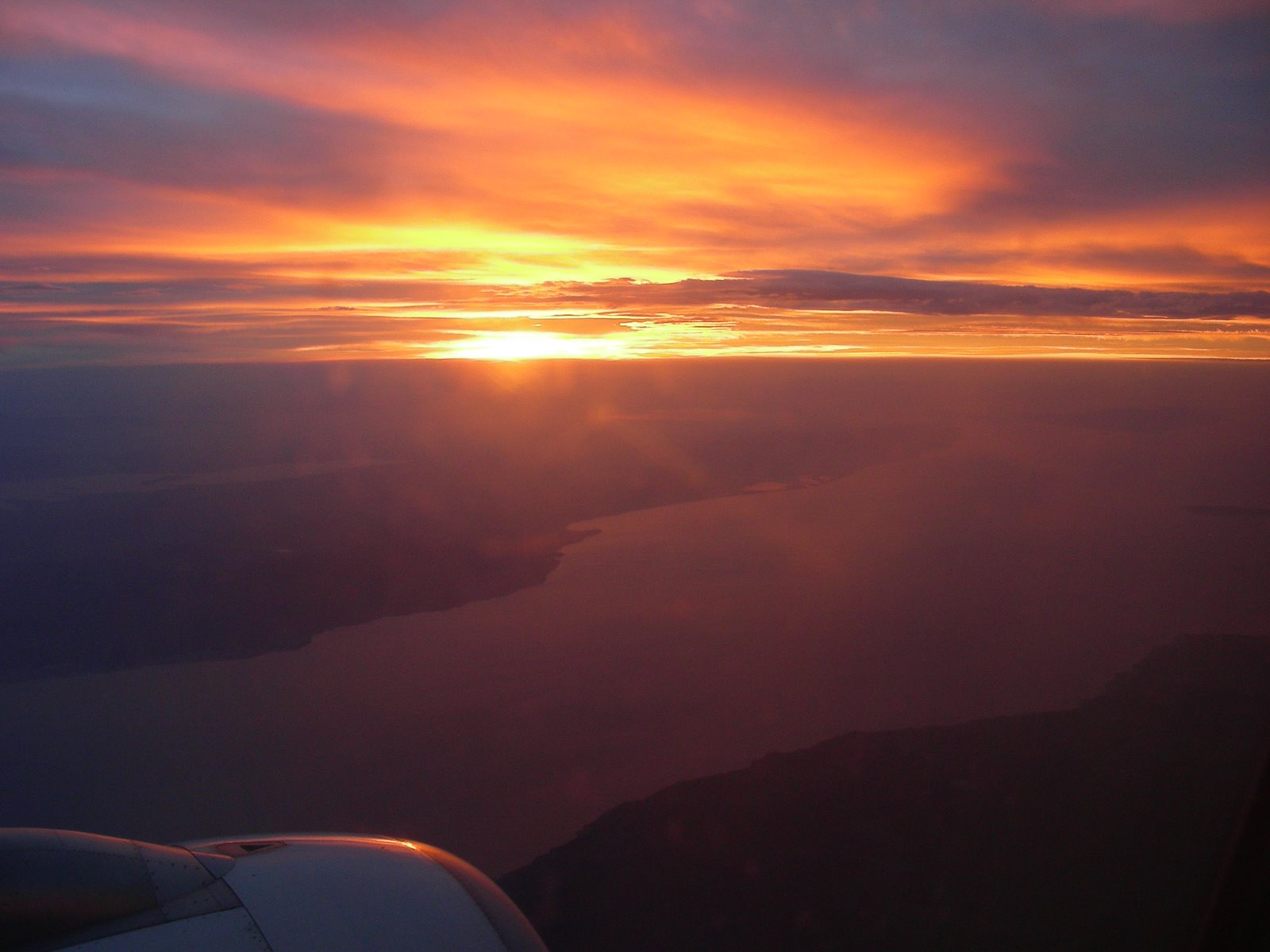 see the Blue Mosque and the Suleyman Mosque, but there are so many others. The city is beautiful and rich and full of antiquities and energy. The water of the Bosphorus and the Golden Horn reflected all the lights as we wound through the hills to get to our hotel. Istanbul is such a wonderful city, I could spend time there just exploring it’s rich history and culture and hidden streets. There was so much there that we didn’t see in our short visit, but on the way through the city for the last time, I really wished for more.
Our room at the Lion this time was higher and more open, and I decided that indeed it wasn’t the worst hotel on the trip. We had a view of the city lights this time, and in our short sleep time before the 3am wakeup call we were serenaded through the open window by the busy night street life going on below us.
http://picasaweb.google.com/kyotesue/Day13Cappadocia#
 Today was the first day since I have been in this country that I didn’t see it as similar to somewhere else I have been back in the US. Today, Turkey was only Turkey, Turkiye’ as it is called here. Today we woke to fog in Urgup, in the central part of the Cappadocia region, but by the time we began our explorations, the fog began to lift. This place is surreal, like no other. I know I am behind, it is midnight right now after a day that started at 6am, and no, I haven’t had time to keep up with the stories. But I do have the photos, and the stories will have to fill in later. For now, just check out this magical landscape and these amazing chapels in the carved out caves of Cappadocia.
Centuries of erosion from rain, wind, and flooding from the Kizilirmak River shaped this tufa into a striking, surreal moonscape of cone-shaped pinnacles and towers, all in a variety of lovely hues. One of the region’s most unusual geological features, the peribacalari (fairy chimneys), formed when boulders of hard basalt trapped on the surface shielded the soft underlying tufa from erosion.
The holy grottoes of Cappadocia once housed the largest community of Christian monks in Asia Minor. From here missionaries spread the Christian faith as far as Ethiopia. Some 300 beautifully frescoed churches and dwellings for 30,000 people were carved from the soft volcanic pinnacles between the 4th and 14th centuries. I was awestruck by the maze of cones, windows, and chimneys built directly into the malleable rock. Beneath these fanciful shapes lie even more wonders—underground chambers, even entire villages, some 14 stories deep!
Residents fashioned bedrooms, churches, and storerooms from the rock, connecting it all with an elaborate labyrinth of passageways. We saw a host of churches carved more than 1,300 years ago, still boasting lovely frescoes. Some of the houses remain occupied today, and some of the ancient storehouses still provide shelter for grapes harvested from local vineyards.
I have seen photos of this place, read a lot about it, looked at websites describing it, but again there is nothing that can really begin to describe what it feels like to be in a world of houses carved out of rock. It’s like some kind of fairy land, or something you might have dreamed once. It is the reason why travel can never be replaced by writing or talking or looking at the pictures. You just have to be there.
 We explored the Pigeon Valley, and took photos of some of the amazing shapes formed by the erosion of the volcanic tuff with the volcano that made all this ash looming above the landscape. As the fog cleared we made several stops at viewpoints a long the way for short hikes and more photos, and for some of us, more jewelry shopping. Then on to Goreme’, the outdoor museum of churches and chapels that were carved into the stone. The caves have existed for a few thousand years, but in the time between the 6th and 13th century they were used as chapels for the early Christian church. The paintings from the earlier periods are primitive, mainly done in a terra cotta red, but as the caves became more sophisticated, the art developed as well, and the Byzantine and Iconoclastic frescoes painted in the interiors of these caves was incredible.
I have said this before, but again I am discovering why I am not a professional travel writer. I am completely out of adjectives. This trip has drained my skills completely dry. I walk around trying to remember to keep my jaw from dropping all the time, and just am at a loss for words. Cappadocia has to be experienced. Nothing else will do.
We had a decent supper in the hotel before going out in the evening to a remote location where a large restaurant was carved into the rock, mainly for the tourist busses I am sure, but it was still fun. The folklore show was interesting, but because there were so many visitors from so many countries there weren’t any kind of announcements about where the different dances were from, which was a bit disappointing. The men were the stars of the show in this case, with some amazing feats of dancing, including that Russian looking thing where they kick their feet out from a sitting position. I still don’t know for sure if that is really a Turkish thing or a Russion thing. The women were demure and certainly outdone my the men in these traditional dances, but they did perform one tribal belly dance that was fun because I knew all the moves from my belly dancing days. Later in the evening we had a cabaret style Egyptian belly dancer who was really quite good, with some top notch shimmies and belly rolls. She wore very high heels though, which was also a bit strange, but I guess it’s to please the men.
We ended this long day winding in the very dark landscape in a very big bus with a bunch of tired people back to the hotel via some weird short cut. Getting in after midnight made us really glad that the next day was going to be a late one.
 The MoHo and Other Traveling Tales


